

Zelch Csaba on pexels.com
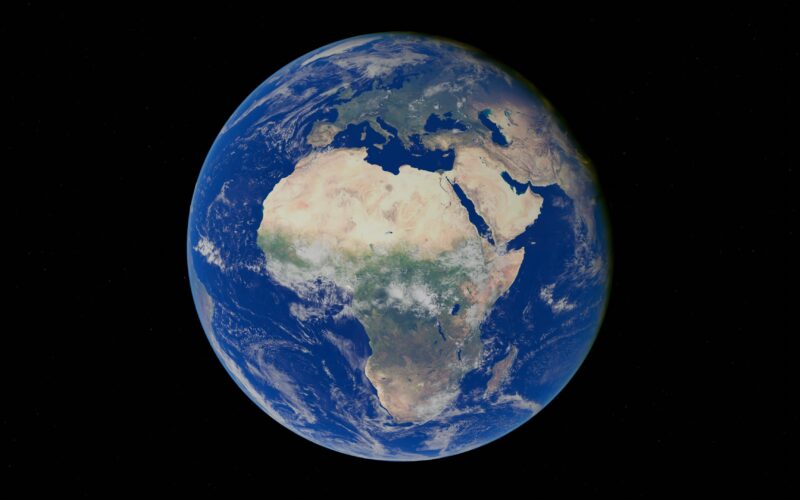
With the ever-growing climate crisis, 2026 Earth Day stands as a reminder of what is most important to us, the home planet of all of us.
In an article posted on Oct. 19, 2021 on the Cornell Chronicle by Krishna Ramanujan, more than 99.9% of peer-reviewed scientific papers say that humans are to blame for climate change. So if we are to blame, then shouldn’t it make sense for us to fix it?
This year, the theme of Earth Day is “Our power, our planet,” and it’s all about not over-exhorting what you already do to both limit and save energy in all forms to help cut your impact on the environment.
“Earth Day is such a wonderful opportunity to learn and share the steps we can take to ensure that the Earth can support us for a long time to come!” said Chelsea Ward, professor and department chair for Auburn University at Montgomery’s Biological and Environmental Sciences Department.
An article posted in January on Earth Reminder says that focusing on awareness isn’t needed anymore:
“Most people already know the basics. Climate change exists. Plastic pollution is growing. Natural resources are under strain. Awareness campaigns have done their job.”
So, what does the phrase “Our power, our planet” mean? Earth Reminder’s article explains that there is more to power than electricity.
“What you buy, how often you replace things, where your money goes, and what you support with attention all shape environmental outcomes. The Earth Day 2026 theme expands the idea of power to include these everyday choices that rarely feel environmental but always carry impact.”
With this, now Earth Day’s message focuses on the acts needed to help. Earth Day’s website has a list of ideas such as:
- Growing a garden
- Switching to clean energy
- Planting a tree
- Being plastic free for a day
- Adding reusable utensils to your everyday carry
All of these actions are becoming more important to do, especially with roll back of the Obama era power plant regulations which cut the output of fumes containing mercury by 90% according to a summary by the Clear Air Task Force.
In a March 23 story posted to CNN by Ella Nilsen, places like the Northern Cheyenne reservation in Montana, which homes communities who fish, will be heavily affected by these roll backs since the plants near there eject high amounts of mercury.
“It gets deposited in water, ingested by fish,” said Joe Goffman who was Biden’s EPA’s Office of Air and Radiation head. “Then people who eat the fish absorb it into their bloodstream.”
“There has been a roll back of many federal policies aimed at protections of wild spaces and endangered species and limiting pollution.” Ward said about the roll backs. “This means that the onus for protecting these spaces is falling back to the people to make good choices and understand how their behavior impacts the health of the planet.”
It doesn’t stop at that. Climate change affects storms too. Have you noticed how much stronger tropical storms have become lately?
The Office for the Coordination of Humanitarian Affairs (OCHA) blames rising record-warm sea temperatures which helped aid Hurricane Melissa, which struck Jamaica last October, with wind speeds that were 7% faster and dumped 16% more rainfall on the area which only worsened the situation. While Nature.com says that we aren’t having more hurricanes spawn over the ocean waters, they are becoming more powerful.
Christina Shintani and Sarah Ruiz’s reported in July 2024 to the Woodwell Climate Research Center that the number of category four and five storms have “roughly doubled” over the last 50 years.
So yes, every little thing we do helps. Knowing what small steps we can take to preserve even the smallest bit of energy can go a long way. That’s what Earth Day 2026 is all about. This is our home, let’s treat it right. Maybe you could end with what you plan to do with one of the Earth Day suggestions, such as a plastic-free day and what that entails?