WASHINGTON (Oct. 21, 2026) — President Donald Trump’s Sept. 18 proclamation to extend the policy requiring employers to pay $100,000 to bring new H-1B nonimmigrant workers into the U.S. will extend through Sept. 21, 2027, causing concern from major firms that reply on skilled foreign workers.
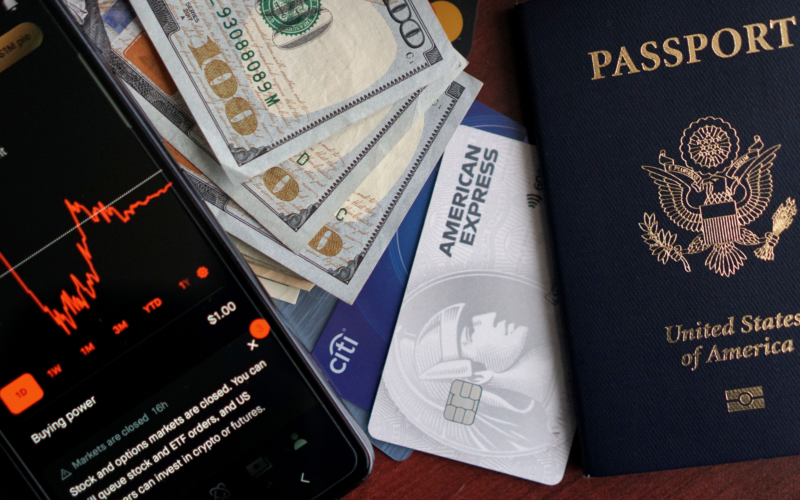
The H-1B visa allows international students and workers to legally stay in the U.S and work for the companies that recruit them. In turn, the company has to pay a fee of $100,000 and conduct yearly check-ins in order to reassure the workers’ residency, according to dol.gov.
As reported from Whitehouse.gov, this rule will renew a policy first issued in September 2025. The administration said some employers, especially IT staffing and outsourcing firms, used the visas to hire cheaper foreign workers instead of Americans. Trump’s government clarified in the proclamation that the current H-1B status held down wages and made it harder for recent graduates, especially in science, technology, engineering and math, to find jobs.
The White House explained in their press release that the policy has worked, stating that the largest IT outsourcing firms cut their combined H-1B registrations by 92%, from 24,946 to 2,055; and requests to bring workers in from abroad fell nearly 97% between the 2025 and 2027 application seasons.
More than 700 petitions have come with the $100,000 payment, as reported by staffingindustry.com, which also reported that the policy has drawn opposition from companies that rely on foreign workers.
The share of registrants with at least a U.S. master’s degree rose from 45.1% to 66.1%, the administration said. India, the country with over 71% of share, is the most affected, according to the Hindustan Times. That followed a new lottery system, finalized in December, that favors higher-paid, higher-skilled applicants. In March, the U.S. Labor Department proposed raising the minimum wages employers must pay H-1B workers.
Officials said the problems that prompted the fee remain. Unemployment among recent college graduates was 5.7% in June, and 42% were underemployed, meaning they held jobs that typically don’t require a degree, according to The Federal Reserve Bank of New York. The proclamation described fraud as “ongoing and pervasive” and warned that abuse would likely return without the extension.
Under the order, employers must pay the $100,000 fee and keep proof before filing petitions for workers outside the country. As stated in the Sept. 18 press release, the State Department will approve only visa applications for which the fee was paid.