
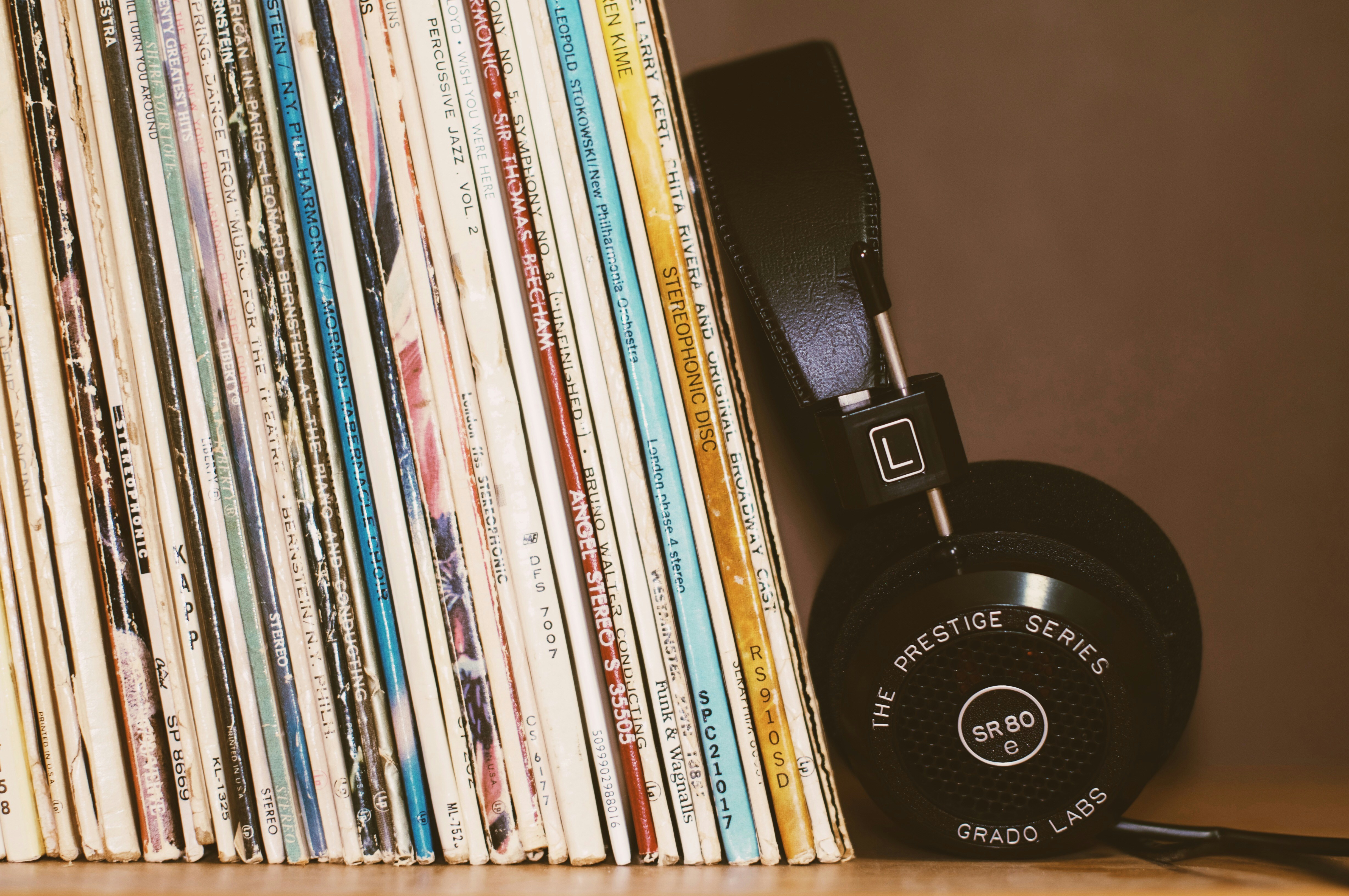
photo courtesy of Blocks on unsplash.com
When I released my first music single “LUVLOW” on Feburary 10, 2024, I thought the hardest part would be sharing something so personal with the world. However, it turned out that the most difficult part was something much more technical: choosing a genre.
As a music artist, I have always loved exploring sounds beyond labels. While many of my listeners might naturally place me in the R&B category, I’ve never felt tied to just one style of music. I’ve experimented with a little of everything, and I hope to dive even deeper into genres that may not even have names yet. Although when the time came to upload my first song to streaming platforms, I was asked to choose one genre to classify myself. It felt limiting, unnatural, and a little frustrating.
Many artists today break away from simple categorization. It’s worth noting that many listeners already recognize that genres often fall short in describing the full range of an artist’s work. Multiple AUM students shared similar thoughts when asked about their favorite music artists and whether genres accurately captured their styles.
Junior biology major DaVine Bush named Frank Ocean as her favorite artist, noting that while he’s often listed under “Alternative R&B,” that label doesn’t fully grasp his work. “I do believe this singular genre can categorize most of his music,” she said, “but I don’t think this fully defines their style of music.” She pointed out Ocean’s exploration of sounds in pop, country, and even ambient music. “You can never truly put an artist in a box,” Bush said. “You can, though, say what kind of music they mostly make.”
Zanaria Simpson, senior fine arts student, pointed to pop-rock artist Stephen Sanchez. She noted that while Sanchez is officially labeled as a pop-rock artist, his earlier releases leaned more toward pure pop. “As of the past three to four years, he has established himself as a pop-rock artist,” she said. “His earlier songs seemed more pop to me, but I like that he has branched off into some rock since it fits his voice more.” Still, Simpson believes genres can be helpful for fans looking for similar music. She described them as useful “categories that help us connect with the music we grew up listening to.”
Similarly, Katelyn Sharp, a junior visual arts major, spoke on her favorite artist, Jhene Aiko. While Aiko is typically classified under R&B, Sharp pointed out that Aiko also explores hip-hop and alternative sounds, especially in how she creates music meant to “soothe the soul, the mind, and the body.” Sharp agreed that genre labeling can be organizational, but she noted that it doesn’t fully define an artist’s creative identity.
Not all students considered genre labeling to be harmless, though. Junior computer science major Nigel Muchena offered a strong critique, particularly when it comes to how Black artists are classified. Using Travis Scott as an example, he said, “No, most artists can’t be put into a single genre. They fake it. For example, Lil Yachty had a whole alternative/rock album and it’ll never be put on the charts because he’s classified as a rap artist.” Muchena argued that once a label like “rapper” is attached, especially to a Black artist, it becomes harder to be recognized in other genres, no matter how much the music itself evolves.
His point highlights a larger systemic problem. Genre labels can reinforce strict expectations, especially those shaped by race. This reality makes it even more important for music platforms and listeners to rethink how we define and describe artists.
Artists like Lil Nas X, Doja Cat and Tyler, The Creator have built massive followings specifically because they refuse to stick to a single sound. Innovation and growth usually happen when artists are allowed, and even encouraged, to blur, break or invent genres.
On a campus like AUM, students come from diverse backgrounds and appreciate a wide range of music. Younger audiences value authenticity and experimentation over strict, simplified categories. Forcing artists to categorize themselves too narrowly doesn’t just limit their growth; it limits what their listeners get to experience. First-time listeners deserve the chance to experience the full range of an artist’s creativity, not just a sliver that fits into a neat box.
Music is meant to evolve. It’s meant to be messy, bold, emotional and sometimes impossible to define. Rather than requiring artists to cram their creativity into old boxes, platforms should offer multi-genre tagging or allow artists to describe their music in their own words. Artists aren’t meant to live in boxes and neither is their art.