

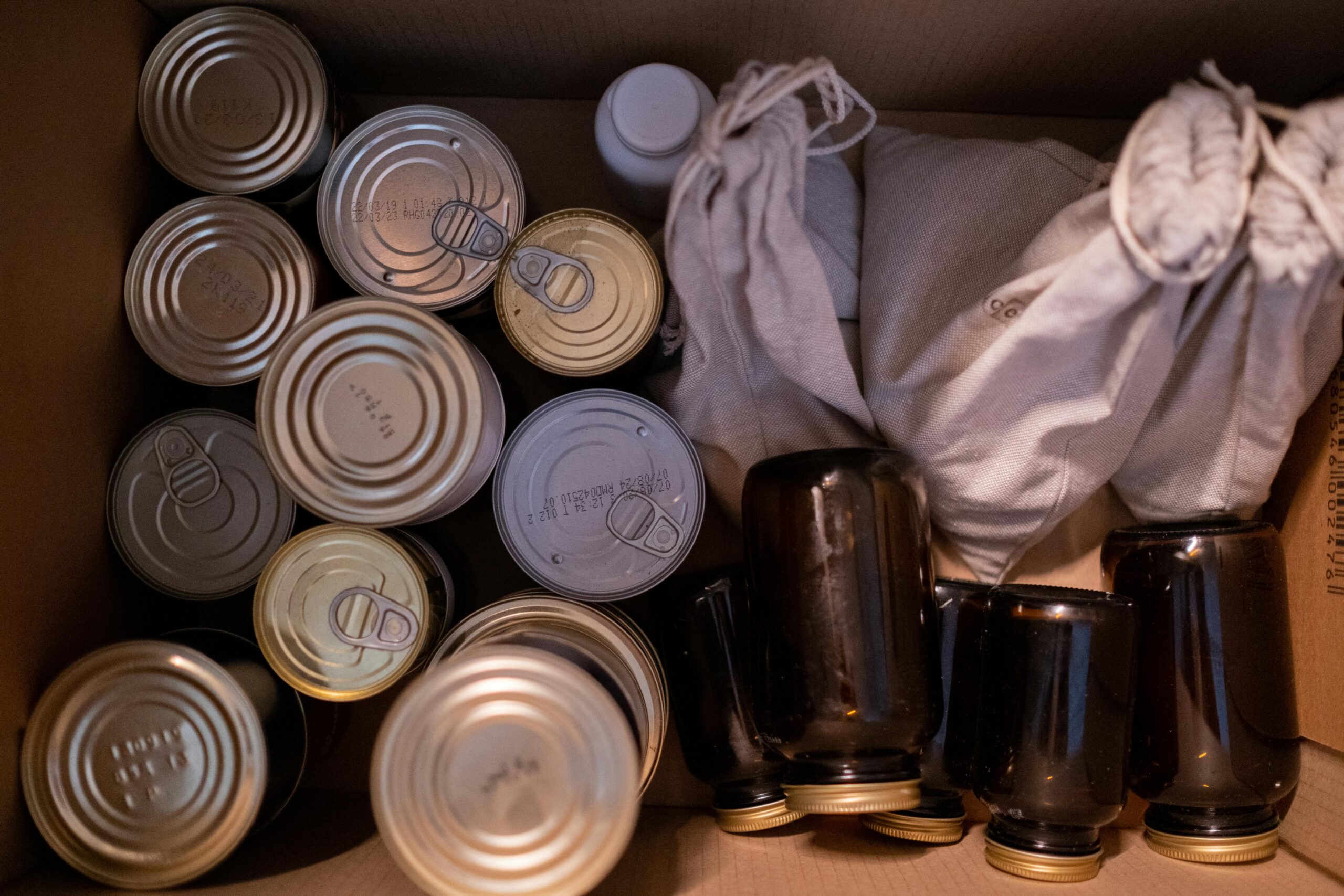
photo credits to Ron Lach on pexels.com
With the Supplemental Nutrition Assistance Program (SNAP) benefits now restored, some AUM students say last month’s pause revealed how vulnerable college students are when it comes to food affordability.

Sky Williams, freshman sociology major, shared her own fears as a campus resident living with celiac disease and a gluten-free diet. “It’s really hard to make sure I have food… with the price hikes on them already plus inflation price hikes, it’s making meals and finding affordable food very hard,” she said. Williams is one of many students who rely on SNAP benefits to get by.
According to David Morgan, Nolan D. McCaskill, Bo Erickson and Gram Slattery at Reuters, President Donald Trump signed a bill Wednesday, Nov. 12 to end last month’s 43-day government shutdown, the longest in U.S. history. With the shutdown over, SNAP recipients began receiving this month’s benefits as early as Wednesday. Savannah Tyrens-Fernandes at Al.com reported that the shut-down left 750,000 Alabamians who rely on SNAP overwhelmed with worry.
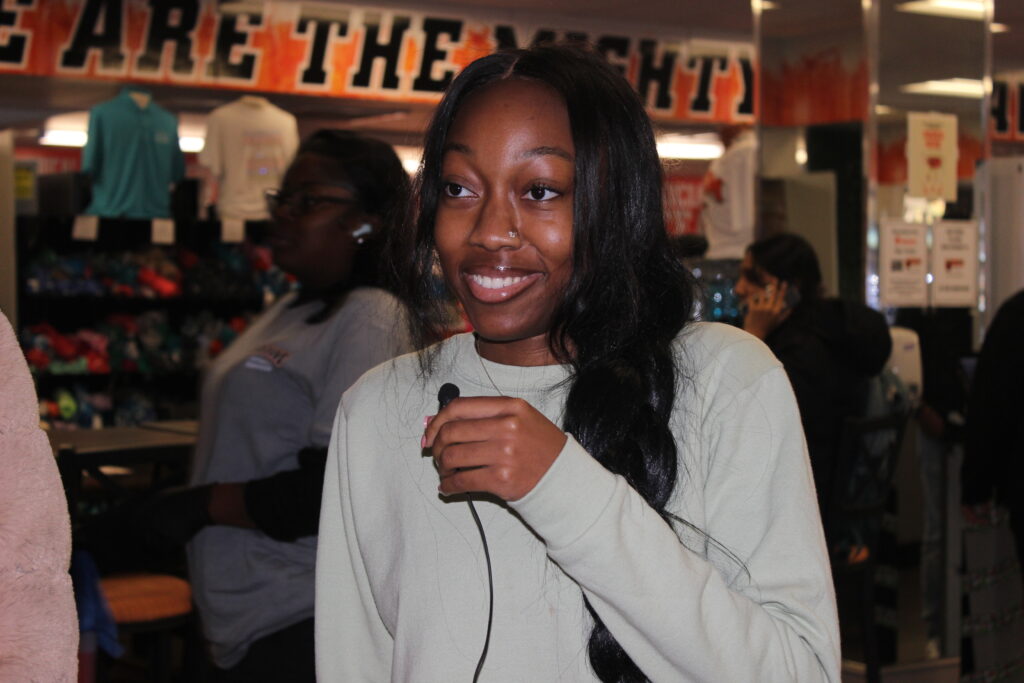
Faith Perkins, a sophomore graphic design major, highlighted how the uncertainty surrounding SNAP benefits during the shutdown could have driven people into desperation, potentially increasing theft across the nation.“It’s gonna impact so much more than just people being hungry… because if you can’t afford something, you’re gonna get desperate and that’s gonna end up causing a lot of trouble,” Perkins said.

Sophomore communication major, Seth Murdick, emphasized how college students in particular feel the strain of food costs on top of tuition, housing and other expenses. “I feel that as college students who have a lot on the line, we’re spending a lot of money and you have to take out student loans. I feel that more support should be garnered towards us and that there’s just a lot more that could be done,” he said.
The impact reaches well beyond college campuses. Lexus, an Alabama mother of four who would prefer to remain partially unidentified, relies on SNAP and the Women, Infants and Children (WIC) program to support her family.
Her biggest concern during the shutdown was how she would feed her six-month-old daughter, who has a severe milk allergy and requires a specific formula priced at $59 per can. She said her faith in Christ and God’s provision kept her from panicking as she waited for benefits to resume.
Lexus said she was fortunate to be able to stretch last month’s SNAP funds with her household income, but noted that not all families were as fortunate.“The government being able to control when your child can’t eat is a major wake up call,” she highlighted.
Alabama is among the states that depend most heavily on SNAP. According to USAFacts.org, 14.6% of Alabama’s population received SNAP benefits in the 2024 fiscal year, compared to 12.3% nationwide.
For AUM students and families across Alabama, the restoration of SNAP is a relief, but the concerns it revealed about affordability, stability and support are far from over.