


photo courtesy of Pavel Danilyuk on pexels.com
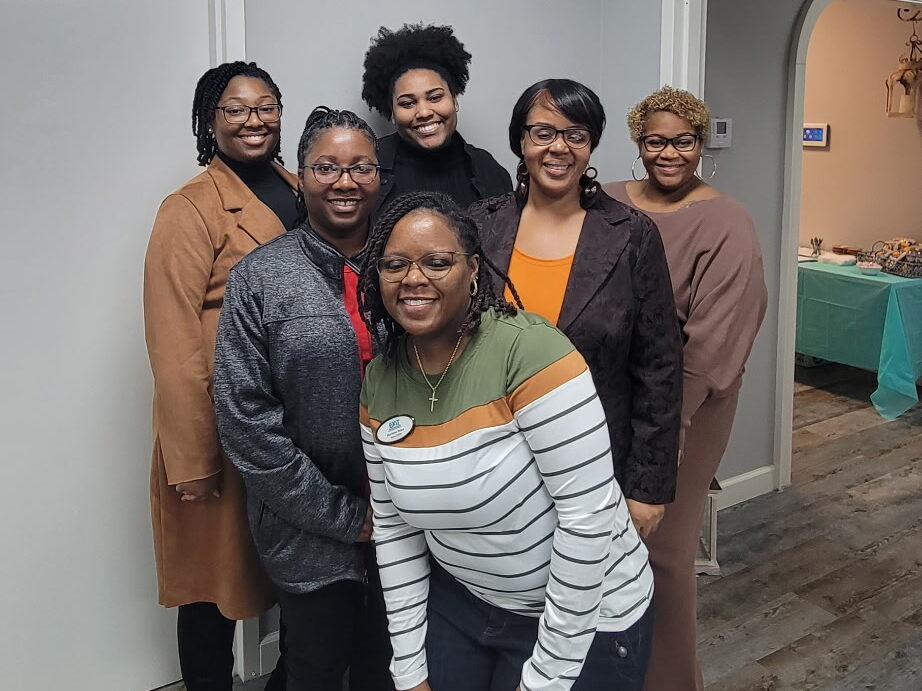
MONTGOMERY, Ala. — A free homebuyer seminar at the EXIT Garth Realty Tuesday evening offered guidance for potential homebuyers from local bankers who shared helpful tips for college students and young adults planning for their future.
“Prepare now,” said Renasant mortgage banker Barbara Williams. “Save what you can afford, even if it’s just $50 a week.” A main takeaway from the seminar was the importance of starting early. Williams said to attendees that they do not need to be ready to buy a home today to begin preparing. Saving small amounts over time can help build strong financial habits, she said.
Another key financial topic discussed was credit. Attendees learned that late payments could affect mortgage approval, especially if they occurred within the past year. Williams encouraged participants to pay bills on time and avoid overdrawing bank accounts. Keeping credit card balances under 30% of the credit limit was also recommended. “Late payments do matter when you’re trying to get pre-approved,” Williams said.
The seminar also addressed student loan debt. She explained that having student loans does not automatically prevent someone from buying a home. However, falling behind on payments can affect eligibility for certain loan programs.
“You cannot qualify for some loan programs if you’re behind on student loans,” Williams said.
Income sources were another focus. Attendees learned that income from side jobs such as DoorDash or Spark may be used when applying for a mortgage, but only if the income has been steady for about two years. Williams also warned against co-signing loans for others if someone plans to buy a home in the future.
“If you’re planning to purchase a home, don’t co-sign,” Williams said.
We were also encouraged to plan for unexpected costs that come with owning a home. Repairs, maintenance, and emergencies can happen at any time, they said, and having extra savings can help prevent financial stress. Chris Edmonds, Accounting and finance professor at the University of Alabama at Birmingham (UAB), shared similar advice in a March 2025 UAB article on first-time homebuyers, noting that setting aside money for emergencies can help buyers stay on track when surprise expenses arise. As Edmonds recommends here are a few tips and advice:
- Know what your budget allots. Know what you can afford because your costs include more than the mortgage, taxes, insurance and repairs.
- Improve your credit score. Higher credit scores could lead to lower monthly payments.
- Get the home inspected. An inspection can rule out any problem usually before things get expensive with repairs for unseen damages.
- Shop around for mortgages. Look at offers from different lenders to get the best deal.
- Plan for surprises. Set aside extra funds for repairs and emergencies.
- Ask questions and negotiate. Make sure you understand the deal you’re making and negotiate the price.
- Think about the future. Make sure you choose a home that fits your long-term plans.
- Keep finances stable. Avoid new debt or making big purchases before you close on your home.
The Montgomery homebuyer seminar explained the buying timeline, noting that once a buyer is pre-approved for a home, they can begin working with a realtor. The underwriting process typically takes two to three weeks.
During that time, buyers were recommended to avoid making large purchases or moving money between accounts, or else it could cause questions to arise.
Williams also clarified the difference between a mortgage and a deed. A mortgage is the loan used to purchase the home, while the deed shows ownership. Buyers were encouraged to budget an additional $1,500 to $2,000 for costs during the process.
The seminar ended with words of encouragement for attendees to remain patient and focused on their long-term goals. “You can start early even if you’re not ready,” Williams said. “It’s really never too early.”
After the event ended, AUM senior communication major Jennifer Tolbert said the information eased her mind about buying her first home in the near future. “I was scared at first but after attending the seminar, I feel like the process is less daunting and now I feel like I know what my next steps are and now I feel at ease.”